A Historic Overhaul Of UK Immigration
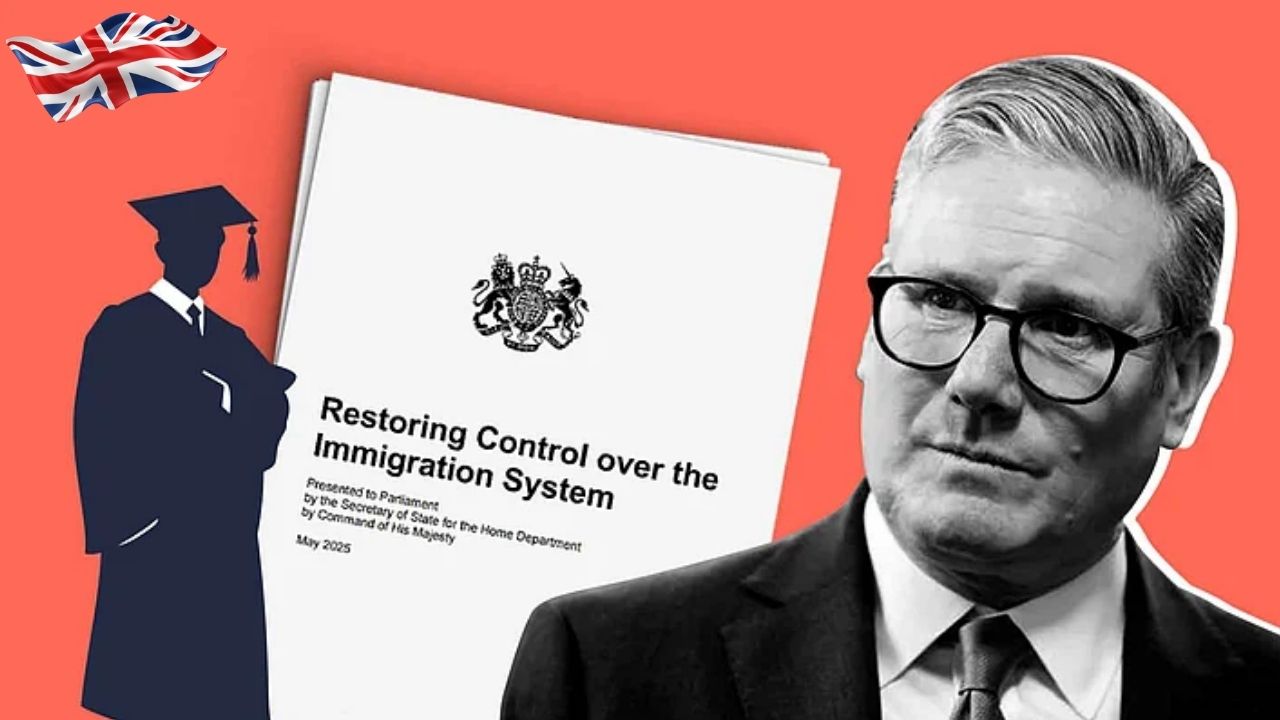
The United Kingdom is preparing for its most significant immigration reform in nearly fifty years. Under plans announced by Prime Minister Keir Starmer’s government, many legal migrants could be required to wait as long as 20 years before they can apply for permanent settlement in the UK.
The core idea behind the reform, led by Home Secretary Shabana Mahmood, is a shift from automatic progression to settlement towards a contribution based model. The government says it wants to reward those who pay taxes, stay out of trouble, respect British values, and ease pressure on public services rather than strain them.
For Indians, who form the largest migrant group arriving in the UK in recent years, these changes could reshape long term plans around work, education, family, and citizenship.
Why Is The UK Changing Its Immigration Policy
Migration to the UK reached record levels under the previous government. As a result, almost 1.6 million migrants are projected to become eligible for settlement by 2030. The Starmer government argues that this pace is not sustainable for the National Health Service, housing, education, and welfare systems.
According to the official line, the new rules are meant to:
- Ensure that those who settle in Britain make a clear economic and social contribution
- Reduce pressure on public services that are already overstretched
- Make long term settlement a privilege that must be earned, rather than an automatic step after a few years of residence
Home Secretary Shabana Mahmood has stressed that migration remains important to the UK but must be more controlled, selective, and clearly aligned with national interests.
Key Highlights At A Glance
Point |
Details |
|---|---|
Main Change |
Settlement waiting period doubled, with some routes extended up to 20 years |
Policy Aim |
Reward migrants who contribute economically and follow the rules |
Who Is Affected |
Almost 2 million migrants who arrived in the UK from 2021 onwards |
Special Focus Group |
Low paid health and care workers face a 15 year baseline |
Fast Track Categories |
NHS staff after 5 years, top talent and high earners after 3 years |
Benefit Access |
Eligible only after becoming British citizens, not just settled |
Impact On Indians |
1.6 million migrants affected by 2030, including large numbers of Indians |
Official Site Link |
The New Settlement Timelines: Who Waits How Long
One of the biggest changes is the extension of the qualifying period for settlement.
- The standard settlement period for most migrants will be doubled to 10 years
- Those who rely on state benefits could face a wait of up to 20 years before they qualify for settlement
- Some categories of migrants, especially those who have broken immigration rules or overstayed visas, may need to wait up to 30 years
For low paid workers, particularly those who entered on health and social care visas between 2022 and 2024, the government has proposed a 15 year baseline for settlement. This group includes around 616,000 workers and their dependants. The route itself has already been closed due to what the government calls widespread abuse.
In contrast, the policy is more generous towards those considered vital to the UK economy:
- Doctors and nurses employed in the National Health Service will be able to obtain settlement after 5 years
- Highly skilled professionals, top international talent, high earners, and entrepreneurs could have their settlement fast tracked, becoming eligible after just 3 years if they meet strict criteria
These differences show a clear tilt in favour of wealthier migrants and those in high demand professions, while making it significantly harder for lower paid workers to achieve permanent residence.
Tougher Rules For Irregular Migrants And Visa Overstayers
The new model also introduces tougher consequences for those who break the rules.
- Migrants who overstay their visas or are found to be in the UK illegally may have to wait up to 30 years before they can settle
- The idea is to remove any expectation that simply living in the UK for a long time, even without status, will eventually lead to permanent residence
- This is meant to deter illegal entry and overstaying, and to signal that the UK will no longer offer a realistic long term pathway to those who bypass regular immigration routes
These changes will make the UK settlement system one of the most restrictive and selective in Europe.
Benefits And Social Housing: Linked To Citizenship
Another major shift is the link between settlement and access to state support. Under the current system, migrants can become eligible for certain benefits and social housing once they achieve settlement status.
Under the proposed rules:
- Migrants will only become eligible for benefits and social housing after they obtain British citizenship
- Settlement alone will no longer be enough to access most forms of state support
This creates an extra layer of incentive for migrants to prove long term commitment to the UK, meet language and character requirements, and complete the full journey from temporary stay, to settlement, and finally to citizenship.
What This Means For Indians In The UK
Indians are at the heart of these reforms because they form the largest migrant group in the UK.
- The Indian community is the largest ethnic minority in the country, with more than 2 million people
- In 2023 alone, around 250,000 Indian nationals moved to the UK, mainly for work and study
- Approximately 127,000 arrived on work routes
- Around 115,000 came for higher education
Due to the record levels of migration in recent years, an estimated 1.6 million migrants are expected to be eligible for settlement by 2030, and Indians make up a substantial share of this group.
For Indian professionals and students, the new rules mean:
- Longer waits for permanent residence unless they are in high demand or high salary categories
- Stronger emphasis on tax contribution, clean records, English language skills, and financial independence
- Greater importance of choosing the right visa route at the start, particularly for those aiming for long term settlement and eventual citizenship
Families planning to settle in the UK will need to factor in extended timelines and stricter conditions before they can access benefits or social housing.
Government’s Justification And Political Debate
The government insists that these measures will build a fairer immigration system for British citizens while still recognising the contribution of migrants.
Shabana Mahmood has argued that:
- Settlement should not be seen as an automatic right
- Only migrants who contribute, obey the law, and integrate into British society should have the privilege of staying permanently
- Migration levels must be brought under control after years of unprecedented arrivals
The proposals have also triggered political debate. Critics say that some of the language used in UK politics around immigration increasingly resembles far right rhetoric. At the same time, the hard right Reform UK party argues the plan does not go far enough and has suggested scrapping Indefinite Leave to Remain altogether, replacing it with a system where migrants would have to reapply for visas every five years, even if they have already been living in the country for a long time.
Mahmood has clarified that Labour’s plans will not impact people who already have settled status, calming some immediate fears among long term residents.
Conditions For Indefinite Leave To Remain Under The New Vision
Under the contribution based model, anyone seeking to stay in the UK indefinitely will need to show that they:
- Have no criminal record
- Can speak English to a high standard
- Have no outstanding debts to the state
- Have paid a social security style contribution for at least three years
Indefinite Leave to Remain, often known simply as settlement, allows a person to live, work, and study in the UK without any time limit. It is also usually the final step before applying for British citizenship.
Alongside settlement reform, the Home Secretary has announced plans to tighten protections for refugees and consider visa bans for countries that refuse to cooperate with the return of irregular migrants, including those who arrive in small boats.
Frequently Asked Questions
1. When will the new UK immigration rules come into effect
The government aims to introduce the new contribution based settlement model from next April, after completing a 12 week consultation and finalising transitional arrangements for those already in the UK.
2. Will the changes affect people who already have settled status
No. Home Secretary Shabana Mahmood has stated that migrants who already hold settled status in the UK will not be affected by the new rules and will retain their existing rights.
3. How will Indian workers and students be impacted
Indians who arrived from 2021 onwards will largely fall under the new rules. Many may face longer waits for settlement, unless they are in priority categories such as NHS staff, high earners, or top international talent. Students will need to transition into suitable work routes that meet the contribution criteria.
4. What happens to migrants who rely on benefits or have low incomes
Migrants who depend on state benefits could face a settlement wait of up to 20 years. Low paid health and care workers are expected to face a 15 year baseline before they can apply for permanent settlement.
5. What is the official government site for checking updates on UK immigration policy
Migrants, employers, and students should regularly check official updates on the main UK government website at https://www.gov.uk, where detailed guidance on visas, settlement, and citizenship is published.
Conclusion
The UK’s new immigration blueprint marks a clear shift towards a more selective, contribution driven approach to settlement. For many migrants, especially those in low paid jobs or on restricted routes, the path to permanent residence will become longer and more demanding.
For Indians, who are now central to UK migration flows, these changes mean that long term plans will need to be carefully structured around the new requirements. High skill professionals and students in priority sectors may still find attractive fast track options, but others will have to adapt to extended waits, tighter conditions, and a stronger emphasis on self sufficiency and integration.
The final shape of the system will depend on the outcome of the ongoing 12 week consultation, transitional arrangements, and possible political or legal challenges. However, it is already clear that the UK settlement system is entering a new era in which every year, every contribution, and every rule followed will matter more than ever.
For More Information Click HERE