France Prepares For A New Era Of Defense Readiness
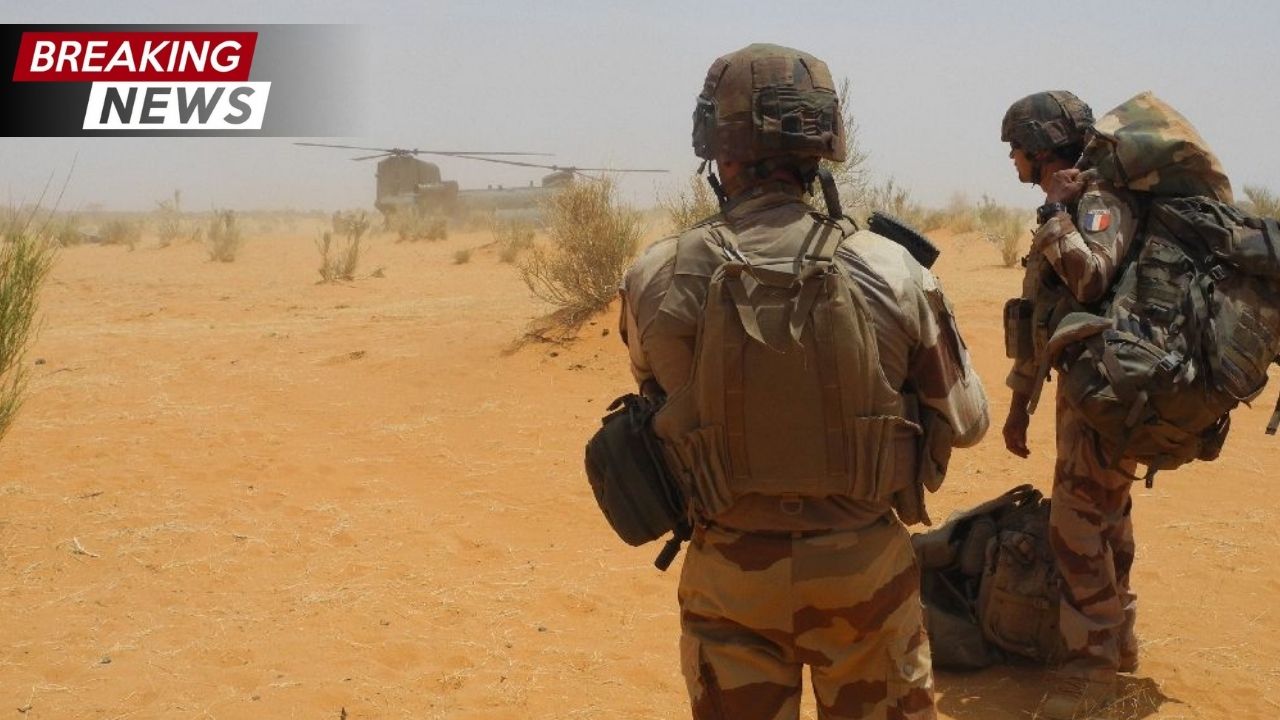
France is preparing to introduce a new voluntary military service program as part of a broader effort to strengthen its armed forces and signal deterrence in a changing security landscape. President Emmanuel Macron announced that the country needs more young citizens in uniform so that France is, in his words, ready and respected.
The move comes at a time when European nations are reassessing their defense posture after Russia’s full scale invasion of Ukraine in 2022. Many European Union member states have increased defense budgets, reformed recruitment systems, and explored new models of national service to ensure they can respond to potential threats in the coming years.
France, which ended traditional conscription in 2001, is now seeking a middle path. Instead of bringing back mandatory service, it is opting for a structured voluntary program that can attract motivated young people and build a strong reserve base.
Key Features Of The New Voluntary Military Service
The proposed voluntary military service will run for a period of 10 months. It is designed as an intensive experience that combines military training, civic education, and potentially support roles related to national defense and resilience.
Important features include:
- Duration: 10 months of structured service
- First Intake: Around 3,000 volunteers starting next summer
- Growth Plan: Expansion to reach 50,000 participants by around 2035
- Service Scope: All service will take place within France, not abroad
The program will give participants exposure to military discipline, physical training, and basic operational skills, while also promoting values such as duty, citizenship, and national solidarity. It is expected that many volunteers will later join the professional armed forces or the reserve forces, reinforcing the country’s long term defense capacity.
Quick Summary Table
Key Point |
Details |
|---|---|
Main Decision |
Launch of a voluntary 10 month military service program |
Start Date |
Next summer, with the first intake of volunteers |
Initial Volunteer Numbers |
Around 3,000 participants in the first cohort |
Long Term Target |
Up to 50,000 volunteers per year by 2035 |
Service Location |
Volunteers will serve only within France |
Strategic Reason |
Strengthen defense and readiness due to rising concern over Russian aggression |
Current Active Forces |
Around 205,000 serving personnel in the French armed forces |
Reserve Force Plan |
Government aims to more than double reservists to 105,000 over the next decade |
Key Political Message |
France must be “ready and respected” in a more dangerous security environment |
Official Site Link |
Why France Is Acting Now: Russia, Ukraine And European Security
The trigger for many recent defense decisions across Europe has been Russia’s full scale invasion of Ukraine in 2022. The conflict has reshaped security thinking in European capitals and convinced governments that long term peace can no longer be taken for granted.
Since then:
- European Union countries have announced significant increases in defense spending
- Several states have revived or redesigned forms of national service
- Germany has pledged to build what it calls Europe’s strongest conventional army
- Eastern and northern European countries close to Russia and Belarus have accelerated readiness and mobilization plans
France sees itself as both a nuclear power and a leading European military actor. The new voluntary service is part of a broader strategy that includes modernizing equipment, reinforcing alliances, and ensuring that sufficient personnel are available if security conditions deteriorate further.
General Mandon’s Warning: France Must Be Ready For A Shock
General Fabien Mandon, the chief of the French defense staff, has been outspoken about the risks posed by Russia in the medium term. He recently stated that the French army must be ready for what he called a shock from Russia within three or four years.
His comments were widely discussed because he went beyond technical planning and talked openly about the potential human and economic costs. Mandon suggested that France must be mentally and structurally prepared to lose its children, meaning young soldiers, and to endure economic sacrifices if it wants to deter or resist future aggression.
Although controversial, his remarks underline the seriousness with which French military leaders view the current security environment. The voluntary service program can be seen as one concrete step toward building the manpower and resilience needed for such a scenario.
From Conscription To Professional Army And Now A Voluntary Path
France abolished mandatory military conscription in 2001 and moved to a fully professional army. Today, the French armed forces are made up of about 205,000 active service members who operate at home and abroad.
In recent years, however, French leaders have faced a dilemma.
On one hand, they want highly trained professional units that can deploy quickly to international operations. On the other hand, they recognize the need for a larger pool of trained citizens who can support national defense, contribute in emergencies, and strengthen social cohesion.
The new voluntary military service program is an attempt to bridge this gap. It does not reintroduce compulsory conscription, but it offers a structured, prestigious path for young people who want to serve without committing to a full military career from the start.
Building A Stronger Reserve Force
Alongside the voluntary service, the French government has announced plans to significantly expand its reserve forces. Currently, France maintains a sizable but limited reserve structure. Over the next decade, the goal is to more than double the number of reservists to approximately 105,000.
This expansion is important for several reasons:
- Reservists can be mobilized quickly in times of crisis, whether military, humanitarian, or civil protection related
- A larger reserve pool allows the professional army to focus on complex missions while reservists provide support in areas such as logistics, territorial defense, cyber security, and emergency response
- It strengthens the link between the military and wider society by involving citizens who also work in civilian jobs
The new voluntary service is expected to become a key pathway into the reserve system, as many volunteers will likely continue their involvement after their initial 10 month commitment.
What The Program Means For French Youth
For young people in France, the voluntary military service program represents both an opportunity and a challenge. It offers:
- A structured year of personal development after school or early in a career
- Training in leadership, teamwork, and discipline
- A chance to contribute directly to national defense and resilience
- Improved prospects for careers in the armed forces, law enforcement, security, or public service
At the same time, the program asks volunteers to accept a demanding schedule, physical and mental challenges, and time away from studies or work. It is likely to appeal most to those who feel a strong sense of civic duty or who are attracted to the idea of testing themselves in a disciplined environment.
France As Part Of A Wider European Trend
France is not acting alone. Across Europe, several countries have taken steps to adapt their military service models. Some have:
- Reintroduced limited forms of conscription
- Created short term volunteer service schemes
- Offered financial and educational incentives for reserve participation
The French voluntary service fits into this pattern but has its own specific design and messaging. It is framed as a way to ensure that France remains a central military power in Europe and that its voice carries weight in security discussions, particularly regarding Russia and the future of the European security order.
Frequently Asked Questions
1. What is the length of the new voluntary military service in France
The new program will last 10 months for each participant. It is designed as a full time experience that combines military training, civic education, and support roles related to national defense.
2. When will the first group of volunteers begin their service
The first intake of around 3,000 volunteers is scheduled to start next summer. Over time, the government expects the program to grow and reach up to 50,000 participants annually by around 2035.
3. Will volunteers be deployed outside France
No. According to the current plan, volunteers serving under this new scheme will be based only in France. The focus is on national defense, internal resilience, and support for domestic operations.
4. How does this program relate to France’s past conscription system
France ended mandatory military conscription in 2001 and moved to a professional army. The new program does not bring back compulsory service. Instead, it offers a voluntary path for young citizens who want to serve and potentially move into reserve or professional roles.
5. Where can people find official information about the new French military service program
Official announcements, details, and updates are expected to be published on France’s Ministry of Armed Forces website and other government communication channels. The main defense portal can be accessed at https://www.defense.gouv.fr.
Conclusion: A Strategic Bet On Youth And Preparedness
France’s decision to launch a voluntary 10 month military service program is a significant strategic bet. It assumes that enough young citizens will choose to serve and that their involvement will strengthen both the armed forces and the wider society.
In a world where security risks are rising and long standing assumptions about peace are being challenged, France is seeking to rebuild a culture of readiness without fully returning to the age of compulsory conscription.
Whether the program meets its target of 50,000 volunteers by 2035 will depend on its design, the quality of the experience offered, and the broader sense of national purpose that leaders are able to communicate. For now, it stands as a clear signal that France intends to take defense preparation, Russian aggression, and European security very seriously in the years ahead.
For More Information Click HERE